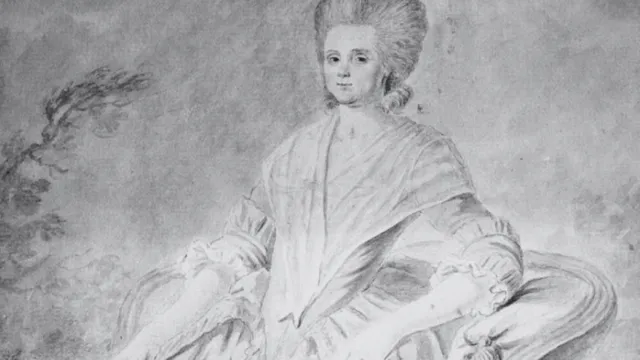



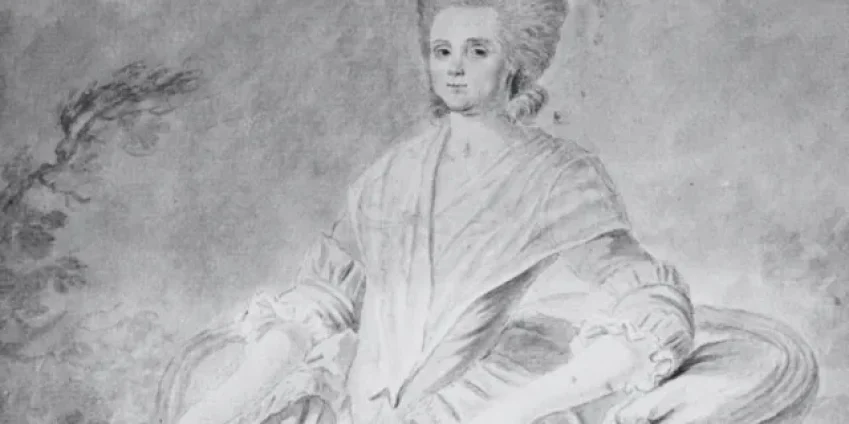
In September 1791, French playwright and activist Olympe de Gouges challenged the French Revolution’s broken promises of equal rights. The National Assembly’s “Declaration of the Rights of Man and the Citizen” excluded women. In response, Gouges published her “Declaration of the Rights of Woman and the Female Citizen.” Its opening lines made her point clear: “Woman is born free and remains equal to man in rights.
Social distinctions may only be based on common utility.” Gouges wrote with boldness and clarity. She produced two novels, about forty plays, and over seventy political pamphlets. In her works, she gave voice to women as full human beings, not as rivals or accessories. Her plays showed women of all ages supporting each other and linked abuse of women to the wider injustices of society. Gouges was also one of the first abolitionists in France, pressing for the rights and humanity of enslaved and marginalized people.
She opposed capital punishment, condemning even the execution of King Louis XVI. In 1793, the revolutionary government banned women from political life, but Gouges kept writing. She spread pamphlets and posters that questioned power and injustice. During the Reign of Terror that summer, she was arrested, charged with sedition, and executed by guillotine. Her courage and her call for equality made her a lasting voice for human rights.