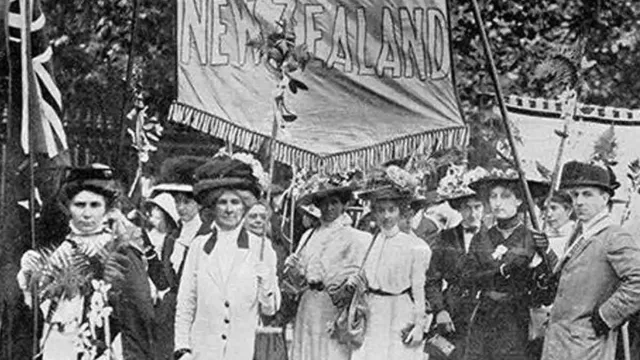



The passing of the Electoral Act of 1893 marked a turning point for women’s rights worldwide. Before this law, women had been largely excluded from political decision-making.
In New Zealand, campaigners like Kate Sheppard led years of petitions and debates calling for women to be recognized as equal citizens.
On September 19, 1893, the governor gave consent to the Electoral Act, making New Zealand the first self-governing country to give women the legal right to vote in parliamentary elections. This was a huge step toward gender equality at a time when most nations still refused to allow women into politics. The law gave all women over 21 the right to vote, without property or marital restrictions.
When the 1893 general election was held, women made up more than 65% of the registered voters, showing how strongly they valued their new rights. The event inspired suffrage movements in other countries, including the United States, the United Kingdom, and Australia.
Though women could not yet stand for parliament in New Zealand, the act opened doors for future reforms. It showed the world that women could use their voices and take part in shaping laws.